Pests don’t care whether you’re in the heart of Houston or just outside the city limits, they’ll find their way into your home if given the chance. The 901 area code covers parts of Tennessee, but Houston homeowners face similar invasions from cockroaches, fire ants, termites, and mosquitoes that thrive in our humid climate. Whether you’re dealing with an active infestation or want to keep your home pest-free, understanding your options is the first step. This guide walks you through what 901 pest control really means, when to go DIY and when to call the pros, and how to prevent problems before they start.
Table of Contents
ToggleKey Takeaways
- 901 pest control combines professional services and DIY methods to eliminate and prevent common household pests like cockroaches, termites, fire ants, and mosquitoes in Houston’s humid climate.
- Professional pest control services save time and money by using licensed technicians, commercial-grade products, and guarantees (typically 30–60 days) that aren’t available with DIY approaches.
- Early identification and exclusion work—sealing cracks, installing door sweeps, and screening vents—are cost-effective prevention strategies that work for most pest types.
- Call a professional immediately for termites, bed bugs, carpenter ants, and widespread infestations covering multiple rooms or areas near food preparation.
- Prevention through cleanliness, moisture control, sealed entry points, smart landscaping, and regular inspections beats treatment and protects your home long-term.
What Is 901 Pest Control?
901 Pest Control refers to professional pest management services operating in the 901 telephone area code region, primarily serving Tennessee and nearby areas. In the context of Houston homeowners, the term broadly describes comprehensive pest control strategies, both professional services and DIY methods, designed to eliminate and prevent common household pests.
901 pest control typically includes inspections, treatment plans, and ongoing maintenance to address infestations. Professional services use licensed technicians trained in safe pesticide application, integrated pest management (IPM), and building code compliance. They diagnose the pest type, determine severity, identify entry points, and recommend targeted solutions rather than blanket treatments.
When you call a pest control company, expect an initial inspection at no charge or for a modest fee. The technician will assess your home, identify pest pressure areas, and explain treatment options. Some companies focus on chemical treatments, while others emphasize baiting systems, exclusion work, or low-toxicity approaches.
The Benefits of Professional 901 Pest Control Services
Hiring professional pest control saves time, money, and stress in the long run. Licensed technicians have years of training identifying pests and understanding their biology, knowledge that DIYers rarely possess. They know which treatments work best for specific infestations and can spot structural vulnerabilities you might miss.
Professional services also provide accountability. Most reputable companies guarantee their work, meaning if pests return within a set period (often 30–60 days), they’ll retreat at no extra cost. This peace of mind is worth the investment, especially for serious infestations like termites or bed bugs.
Another major advantage: professionals use commercial-grade products and equipment not available to homeowners. They apply treatments more efficiently, minimizing chemical exposure to your family and pets while maximizing effectiveness. Many modern 901 pest control companies now emphasize pest protection strategies that combine prevention, early detection, and targeted intervention rather than toxic overkill.
For landlords and tenants, understanding who bears the cost can be tricky. Is landlord responsible for pest control varies by lease and local law, so clarify expectations upfront.
Common Pests in the 901 Area and How to Identify Them
Houston’s warm, humid climate creates a paradise for pests. Knowing what you’re dealing with is half the battle.
Cockroaches are the most frequent invaders. American cockroaches are reddish-brown, up to 1.5 inches long, and fast-moving. German cockroaches are smaller (about 0.5 inches), tan, and favor kitchens and bathrooms. Both emit a musty odor and leave droppings resembling black pepper.
Fire ants are aggressive red ants that build dome-shaped mounds in soil and mulch. Their stings cause painful, itchy pustules. They’re active year-round in Houston but more aggressive in warm months.
Termites cause serious structural damage. Subterranean termites (the most common) build mud tubes from soil to wood. Drywood termites live inside wood and don’t need soil contact. Both produce hollow-sounding wood and visible damage over time.
Mosquitoes breed in standing water and are active from spring through fall. Female mosquitoes bite and transmit diseases: males feed only on plant nectar.
Rodents (rats and mice) enter homes seeking food and warmth. You’ll notice droppings, gnaw marks, and grease smears along walls. Pest and termite control services specialize in identifying and eliminating these threats before they cause structural or health problems.
DIY 901 Pest Control: Methods and Best Practices
Minor pest problems can often be handled without calling a professional, but success requires honesty about your situation and willingness to do prep work.
Identify the pest first. Grab a photo or specimen (in a sealed plastic bag) and check online resources or ask at your local extension office. Misidentifying the pest means wasting money on the wrong solution.
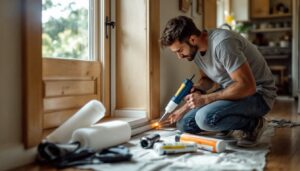
Start with exclusion. Seal cracks in foundation and siding using caulk (silicone-based for outdoor gaps). Install door sweeps and weather stripping. Screen windows and vents with fine mesh. These measures prevent entry and work for any pest type.
For ants, use targeted baiting systems like Terro liquid baits or Combat baits. Place baits along trails, ants carry poison back to the colony, which kills the queen and colony faster than surface sprays. Wear gloves and wash hands after handling.
For roaches, boric acid powder is effective but toxic to kids and pets, avoid if you have either. Gel baits (like Advion) are safer: apply small dots behind appliances and under sinks. Wash hands after use and store safely.
For mosquitoes, eliminate standing water in planters, gutters, and birdbaths weekly. Use mosquito dunks (bacteria that kills larvae) in rain barrels. Wear long sleeves and repellent with DEET when outdoors.
For minor rodent issues, snap traps (baited with peanut butter) work well. Place them perpendicular to walls where you see droppings. Wear gloves when handling and dispose of dead rodents in sealed bags. If infestation is widespread, call a pro.
Always read product labels, follow dosage instructions, and wear PPE, goggles, gloves, and mask if applying powder. DIY methods work best for light infestations caught early. Severe infestations, bed bugs, or termites demand professional help.
When to Call Professional 901 Pest Control Experts
Know your limits. Call a professional immediately if you suspect termites. Subterranean termites can damage structural framing in months. DIY treatments can’t reach colonies deep in soil or inside walls. Termite damage also may void your home warranty or complicate future sales.
Bed bugs are another red flag. They hide in mattress seams, furniture, and walls, and resist most over-the-counter treatments. Professional heat treatment or targeted pesticide application works, but DIY fumigation typically fails.
Large ant colonies (carpenter ants especially) require professional-grade equipment and expertise. How much is Orkin or similar services ranges from $150 to $500 depending on severity, but it beats thousands in structural repairs.
Cockroach infestations covering multiple rooms signal a job for pros. They’ll apply gel baits, residual sprays, and schedule follow-up visits to break the breeding cycle.
Rodent colonies in walls or attics require trapping, exclusion, and sanitization, tasks needing access, experience, and proper PPE. Action termite and pest control companies handle these professionally.
If you’ve tried DIY methods for more than two weeks with no improvement, or if the infestation is visible, widespread, or in food prep areas, hire a pro. Most reputable services offer free estimates and come with service guarantees.
Preventing Future Pest Problems in Your Home
Prevention beats treatment every time. A few habits and upgrades stop pests before they settle in.
Keep it clean. Crumbs, grease, and food waste attract pests. Wipe down counters daily, take out trash regularly, and store food in airtight containers. Don’t leave pet food out overnight. Empty sinks before bed, roaches need water, and they’ll drink from damp drains.
Eliminate moisture. Fix leaky pipes under sinks and in basements. Run exhaust fans in bathrooms and kitchens. Direct downspouts away from foundation. Mosquitoes and many insects breed in standing water.
Seal entry points. Caulk gaps around pipes, utility lines, and wiring entering the home. Install door sweeps and weather stripping. Check foundation for cracks and caulk them. Repair damaged roof shingles and fascia. These small tasks pay huge dividends.
Landscape smartly. Trim branches touching roof or siding (termites and ants use them as highways). Keep mulch at least 6 inches from foundation. Store firewood away from the house. Clear gutters quarterly to prevent standing water.
Inspect regularly. Walk your foundation monthly, especially after heavy rain. Look for mud tubes (termites), holes, or droppings. Catch infestations early when DIY intervention works. Quality pest control professionals recommend annual inspections for peace of mind.
For additional resources, The Spruce offers excellent home maintenance guides, while HomeAdvisor provides cost estimates and contractor reviews to help you plan pest control budgets.
Conclusion
901 pest control, whether through professional services or smart DIY prevention, keeps your Houston home safe and comfortable. Understanding common pests, identifying problems early, and knowing when to call an expert are the keys to long-term success. Start with prevention, act quickly on signs of infestation, and don’t hesitate to hire professionals for serious or persistent problems. Your home is too important to leave pest control to chance.