Picture this: you settle into your cozy apartment, ready to binge-watch your favorite show, when suddenly a tiny army of ants marches across your living room floor. Panic sets in—who’s responsible for this uninvited invasion? Is it your job to wage war against pests or does your landlord hold the keys to pest control?
Understanding Landlord Responsibilities
Landlords hold specific responsibilities in maintaining rental properties. Determining who manages pest control, commonly becomes a concern for tenants facing infestations.
Legal Obligations
Landlords must meet certain legal obligations regarding the habitability of rental units. Many states require landlords to ensure properties are free from pests. Regulations often state that owners must act promptly on reports of infestations. Failure to address pests may result in legal consequences, potentially affecting tenant health and safety.
Common Lease Agreements
Common lease agreements usually outline pest control responsibilities. Some leases explicitly state that landlords handle pest control issues. Other agreements might designate certain tasks to tenants, especially for infestations arising from their actions. Understanding the specific terms within a lease is crucial for both parties. Tenants should read their leases carefully to clarify who is responsible for addressing pest control.
Types of Pests and Their Implications
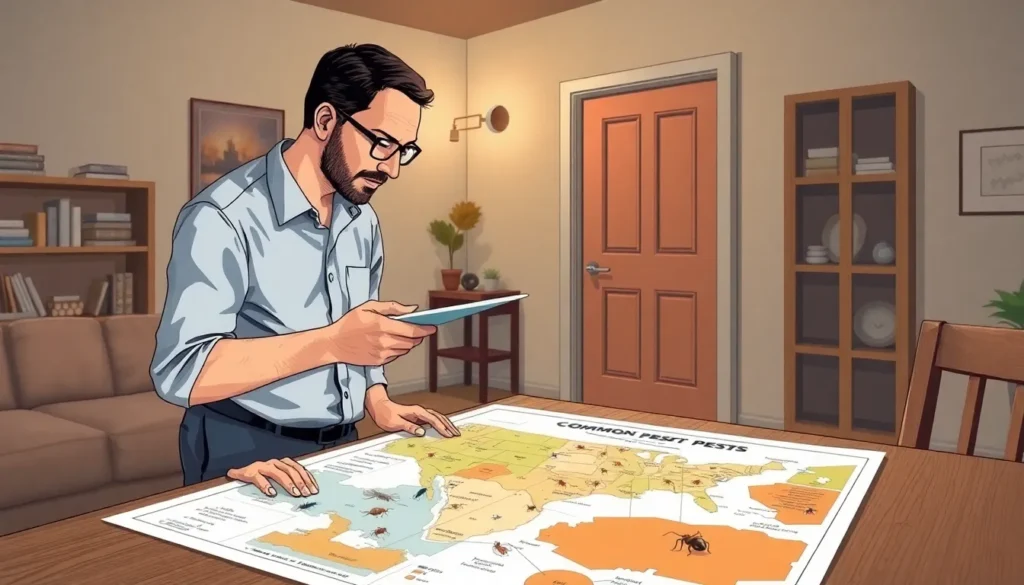
Pests can disrupt daily life and pose significant health risks. Understanding different types of pests aids in identifying potential implications for tenants and landlords.
Rodents and Insects
Rodents such as mice and rats often invade living spaces, causing damage to property and food sources. These pests typically breed quickly and create nests in hidden areas. Insects, like cockroaches and bedbugs, can also lead to serious infestations. They often spread rapidly, contaminating living environments and impacting overall comfort. Managing these pests requires prompt action to eliminate them before they worsen. Landlords must take responsibility for pest control upon gaining knowledge of an infestation.
Health Hazards
Pests introduce various health hazards that can affect tenants significantly. Rodents often carry diseases such as hantavirus and leptospirosis, while insect bites may lead to allergic reactions or infections. Cockroach droppings can trigger asthma attacks in sensitive individuals, making quick intervention crucial. Tenants exposed to pest-related health issues may experience increased medical costs, further complicating legal responsibilities. Maintaining a pest-free environment enhances tenant well-being and protects landlords from liability.
Tenant Rights Regarding Pest Control
Tenants hold specific rights related to pest control in their rental units. It’s essential for them to understand these rights and act accordingly.
Reporting Pests
Timely reporting of pest issues to the landlord is crucial. Tenants should document the infestation, noting the type of pest and the extent of the problem. Communication should occur as soon as pests are noticed to ensure a swift response. Promptly reaching out protects the tenant’s living environment and health. Many states have laws requiring landlords to address pest-related complaints quickly. If the landlord fails to respond in a reasonable timeframe, tenants might consider alternative measures, including contacting local health departments.
Requesting Action
After reporting pest problems, tenants can formally request action from the landlord. Such requests should outline the specific issues and the desired remediation steps. Keeping a record of all communication, including dates and responses, is advisable. If the landlord does not take action, tenants may inform them of their legal rights. Depending on state laws, tenants might be entitled to rent reductions or even the option to terminate the lease. Understanding these actions empowers tenants to advocate for a pest-free living space effectively.
Variations by State Laws
State laws significantly influence landlord responsibilities regarding pest control. Different regulations exist, affecting obligations and expectations for both tenants and landlords.
Local Regulations
Local regulations may dictate specific pest control requirements within rental properties. Some jurisdictions enforce strict health and safety codes, obligating landlords to maintain pest-free environments. In contrast, other areas may place more responsibility on tenants, especially if infestations stem from their actions. Each city or county can adopt its own rules, making it essential for both parties to understand local ordinances impacting pest control.
Legal Precedents
Legal precedents often shape the interpretation of pest control responsibilities in leases. Courts have ruled in various cases that landlords must act swiftly upon notification of infestations. Failure to comply can result in legal repercussions for landlords, including fines or damages. Moreover, tenant lawsuits may succeed if they can prove negligence regarding pest control. These precedents establish a foundation for interpreting obligations and help clarify expectations surrounding pest issues in rental agreements.
Understanding pest control responsibilities is vital for both landlords and tenants. Landlords must ensure their properties remain pest-free and respond promptly to infestations to comply with legal obligations. Tenants should familiarize themselves with their lease agreements to know their rights and responsibilities regarding pest issues.
Effective communication between both parties is essential for addressing pest problems swiftly. By being proactive and informed, tenants can advocate for their living conditions while landlords can protect their properties and avoid legal complications. A collaborative approach to pest control not only enhances tenant satisfaction but also upholds the overall integrity of rental properties.