Nobody wants to share their home with unwanted guests. Whether it’s ants marching across the kitchen counter, cockroaches scuttling behind the stove, or termites tunneling through your foundation, pests are more than just a nuisance, they’re a threat to your home’s integrity and your family’s comfort. The good news? You don’t need to feel helpless. This guide walks you through identifying what’s bugging you, stopping them before they arrive, tackling infestations yourself when practical, and knowing when professional help is worth the investment. From prevention strategies to natural solutions, you’ll find actionable tactics that work in real homes.
Table of Contents
ToggleKey Takeaways
- Identify your specific pest problem accurately by examining damage patterns, fecal matter, and entry points—misidentification wastes time and money on ineffective treatments.
- Seal entry points, eliminate food and water sources, and declutter storage areas to prevent 80% of pest problems before they start, making prevention the most cost-effective pest control strategy.
- For minor infestations, use targeted DIY methods like liquid ant baits, gel cockroach baits, and snap traps with peanut butter to tackle pests yourself within 2-3 weeks.
- Natural solutions like food-grade diatomaceous earth, caulk, and essential oils offer non-toxic alternatives for prevention and light infestations, though they work slower than chemical treatments.
- Call professional pest control services when dealing with suspected termite damage, persistent infestations lasting beyond 3 weeks, or hidden pest colonies in walls and attics—typically costing $300-$1,200 for initial service.
Common Household Pests and Why They Invade Your Home
Identifying Your Pest Problem
The first step in effective pest control is knowing exactly what you’re dealing with. Different pests require different strategies, and misidentifying the problem wastes time and money.
Ants typically enter homes searching for food and water. They follow scent trails left by scouts, so spotting a few means a colony isn’t far behind. Common indoor species include pharaoh ants, which nest inside walls, and carpenter ants, which don’t eat wood but do tunnel through it to create nesting galleries.
Cockroaches thrive in warm, humid spaces near food and water sources. German roaches (the most common indoor species) are small, tan, and incredibly fast breeders. American roaches are larger and often found in basements or crawl spaces.
Termites silently destroy homes by consuming cellulose in wood. Subterranean termites (found in most U.S. climates) build mud tubes from soil to wood. Drywood termites nest directly inside wood and don’t need soil contact.
Spiders, while actually beneficial hunters, become a pest when populations explode or when webs accumulate in living spaces. Most indoor spiders eat other insects.
Rodents (mice and rats) cause electrical fires, contaminate food, and damage insulation. Evidence includes droppings, gnaw marks on baseboards, and rubbing marks along walls.
To identify your pest accurately, examine the damage pattern, look for fecal matter, check entry points, and take photos. Bring samples to your local extension office or pest control professional if you’re unsure. Misidentification leads to wasted effort and expense.
Prevention Strategies That Actually Work
Prevention is always cheaper and easier than treatment. Most household pests thrive because homes offer easy access to food, water, and shelter.
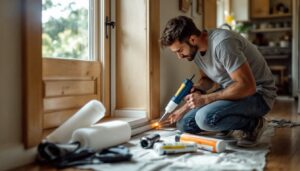
Seal entry points. Caulk cracks around windows, doors, and foundation with paintable silicone caulk (not acrylic, it shrinks). Replace weatherstripping under doors. Inspect where utilities enter the home: seal gaps with expanding foam or sheet metal. Even a 1/16-inch gap is wide enough for cockroaches.
Eliminate food sources. Store dry goods (flour, sugar, cereal, pet food) in airtight containers, not open boxes or bags. Clean under appliances monthly. Don’t leave dishes in the sink overnight. Wipe down counters and sweep floors before bed. Take out trash regularly.
Remove water sources. Fix leaking faucets and pipes, even a slow drip sustains pest populations. Use a dehumidifier in basements or crawl spaces to drop humidity below 50%. Ensure gutters drain away from the foundation: standing water near the house is a termite magnet.
Declutter storage areas. Pests hide in boxes, old furniture, and stacked newspapers. Store items in sealed plastic bins off the floor. Inspect cardboard boxes coming into the home, especially used furniture.
Manage landscaping. Trim tree branches away from the roof (they’re pest highways). Move mulch and firewood at least 6 feet from the foundation. Rake up fallen fruit and dead leaves. Dense vegetation against the house provides harborage.
Install door sweeps and screens. A rubber door sweep seals the gap under exterior doors. Repair window screens immediately, a single tear is an open invitation.
Consistent prevention costs nothing and prevents 80% of pest problems before they start.
DIY Pest Control Methods for Budget-Conscious Homeowners
Before calling professionals, you can tackle many pest problems yourself with the right tools and approach. Success depends on patience and following through on treatment schedules.
Ant control: Find the nest, not just the trail. Follow ants to their source (often under baseboards, in walls, or outside). Use a liquid ant bait (like Terro T300), it’s more effective than sprays because workers carry it back to the colony. Place stations near trails but away from pets and children. Bait works best at night when ant traffic peaks. Results take 3–7 days, so resist the urge to spray the visible ants immediately.
Cockroach treatment: Use gel baits (like Combat Max) placed in corners, under sinks, and behind appliances where roaches hide. Gel baits kill faster than powder or boric acid. Apply again every 2 weeks until you see no roaches for a month. Vacuum regularly and store all food in airtight containers, roaches weakened by bait are less likely to spread if food is unavailable.
DIY rodent control: Snap traps baited with peanut butter work better than electronic or glue traps. Place them perpendicular to walls where you see droppings. Check traps daily. Seal entry holes (1/4-inch or larger) with steel wool and caulk, rodents can’t chew through steel wool. Don’t set traps in areas where pets or children can access them.
Spider management: Vacuum webs and egg sacs regularly. Reduce prey insects by sealing the house and controlling other pest populations. Most indoor spiders are harmless: if they bother you, simply relocate them outside.
Moisture control: Many pests thrive in humid environments. Ensure crawl spaces and attics have adequate ventilation. Use a dehumidifier in basements (target 40–50% humidity). Run exhaust fans during and after showers.
DIY pest control works best for minor infestations or as a maintenance strategy. Severe or recurring problems need professional intervention.
When to Call Professional Pest Control Services
Some pest problems exceed the scope of DIY efforts. Knowing when to hire professionals saves money and prevents your home from becoming a total loss.
Call a professional if:
- Termite infestation is suspected. Termites damage structural wood and cost thousands to treat. Pros use specialized equipment (termite detection tools) and can apply barriers around the foundation. Home damage from untreated termites can exceed $10,000.
- You can’t identify the pest. Misidentified pests lead to wrong treatments and wasted time. Professionals like Action Termite and Pest Control use experience and inspection skills to diagnose correctly.
- A DIY infestation doesn’t resolve in 2–3 weeks. Persistent problems often involve hidden colonies or multiple entry points.
- Rodents are present in large numbers. A few mice are manageable: a colony indicates widespread entry points and a larger problem.
- Allergies or asthma flare-ups coincide with the infestation. Cockroaches shed skin and droppings that trigger respiratory issues. Professional removal and cleanup can help.
- The infestation is in walls, attic, or crawl spaces. These areas are hard to treat without proper equipment and safety measures.
- You have pets or young children. Professionals can recommend safe treatment options and proper placement.
Professional treatment typically costs $300–$1,200 for initial service, depending on the pest and home size. Ongoing maintenance plans run $50–$150/month. It sounds expensive until you compare it to termite damage or health impacts from an untreated cockroach infestation. Many pros offer inspections for free or a nominal fee. Check How Much Is Orkin Pest Control? for cost expectations from major providers. Also review Is Landlord Responsible for Pest Control? if you rent, landlords may cover treatment costs in many jurisdictions.
Natural and Non-Toxic Solutions for Safe Pest Management
Chemical sprays work fast, but many homeowners prefer gentler, non-toxic approaches, especially around kids and pets.
Diatomaceous earth (food-grade). This powder is fossilized algae that damages insect exoskeletons. Sprinkle it along baseboards, in pantries, and behind appliances. It kills ants, cockroaches, and fleas without toxins. Reapply after vacuuming or moisture exposure. Wear a dust mask when applying.
Essential oils. Peppermint oil repels spiders and mice: cinnamon repels ants. Mix with water in a spray bottle and apply around baseboards and entry points. Results are temporary (2–4 weeks), so reapply regularly. This works best as a preventative, not a treatment for active infestations.
Boric acid powder. This is low-toxicity but still effective against roaches and ants. Dust it lightly in corners and under appliances, keeping it away from kids and pets. It’s poisonous if ingested in large quantities.
Caulk and foam. Sealing entry points is the most effective non-chemical solution. Use expandable spray foam for large gaps and silicone caulk for smaller cracks. This prevents pests from entering, eliminating the need for chemical treatment.
Neem oil. This botanical pesticide disrupts insect feeding and reproduction. Spray it on affected areas, though it’s less potent than synthetic chemicals and requires frequent reapplication.
Heat treatment. For bed bugs or some stored-product pests, raising room temperature to 118°F (48°C) for several hours kills all life stages. This requires professional equipment but leaves no chemical residue.
Natural solutions often work slower and require more frequent application. They’re ideal for prevention and light infestations but may not handle severe pest problems. Consult Quality Pest Control guides for integrated approaches combining prevention, natural methods, and professional service when needed. Resources like Good Housekeeping’s home safety guides offer tested recommendations for safe household products.
Conclusion
Pest control doesn’t have to be stressful or expensive. The key is acting early, before a few insects become an infestation. Start with prevention: seal entry points, eliminate food and water sources, and keep your home clean and dry. For minor infestations, DIY baits and traps deliver real results. When the problem outpaces your ability to handle it, professionals offer expertise and guarantees. Whether you choose chemical, natural, or integrated approaches, the goal is the same: reclaim your home from unwanted guests and keep them out. Your home is your sanctuary: don’t let pests make you share it.