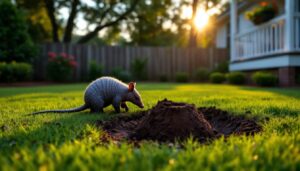
Finding pests in your home is stressful, and choosing the right pest control solution can feel overwhelming. Titan Pest Control offers homeowners a practical approach to managing common household invaders without compromising safety or very costly. Whether you’re dealing with ants marching across your kitchen counter or worried about termites threatening your foundation, understanding what Titan Pest Control brings to the table helps you make an well-informed choice. This guide walks you through how it works, what pests it handles, and when professional help beats a DIY approach.
Table of Contents
ToggleKey Takeaways
- Titan Pest Control combines targeted treatments with preventative strategies, starting with a thorough home inspection to identify entry points and customize your pest management plan.
- Professional pest control services cost $40–$150 per month but prevent thousands in costly repairs, especially from termites which cause over $5 billion in annual damage.
- Eco-friendly options like diatomaceous earth and heat treatments offer safe alternatives to synthetic chemicals for homeowners with children or pets.
- Large infestations, termite problems, and bed bug infestations require professional expertise, while small pest issues caught early may respond to DIY methods and exclusion work.
- Early action is critical: ignoring pests allows them to multiply and cause structural damage, so calling Titan Pest Control or similar services at the first sign of infestation saves time and money.
What Is Titan Pest Control and How Does It Work
Titan Pest Control is a professional pest management service designed for homeowners who need reliable, timely solutions to pest infestations. Rather than a one-size-fits-all approach, it combines targeted treatments with preventative strategies to keep pests from returning.
The service typically starts with a thorough inspection of your home’s interior and exterior. Technicians identify entry points, cracks in foundations, gaps around windows, holes in siding, and assess the severity of the infestation. This step matters because most pest problems don’t show up overnight: they build gradually, and catching them early prevents damage. Once the inspection is complete, Titan develops a customized treatment plan. This might include perimeter treatments, interior applications, or baiting systems depending on the pest type and infestation level.
Titan relies on proven methods: chemical treatments for fast results, physical exclusion (sealing gaps and cracks), and monitoring systems to catch problems before they escalate. Many homeowners appreciate that the service doesn’t require them to vacate their homes during treatment, and the timeline is typically measured in weeks, not months, to see meaningful results.
Key Features and Treatment Methods
Titan Pest Control distinguishes itself through a few core features. First, flexibility: technicians tailor treatments based on your home’s specific needs rather than spraying everything with broad-spectrum chemicals. Second, transparency: they explain what they’re doing, why, and what results you should expect.
The treatment methods vary. For ants and roaches, gel baits are often more effective than sprays because they eliminate the colony, not just foraging workers. For termites, liquid barriers around the foundation create a defensive perimeter. For rodents, a combination of exclusion and snap traps usually outperforms poison, which can leave dead animals inside walls, a real problem.
Titan also emphasizes follow-up visits. A one-time spray rarely solves a pest problem: persistence does. Monthly or quarterly treatments maintain control while the pest population dwindles. This ongoing relationship means technicians monitor trends and adjust strategy if pests adapt.
Chemical-Free and Eco-Friendly Options
Not every homeowner wants synthetic chemicals in their home, especially if kids or pets are present. Titan addresses this by offering eco-friendly alternatives. These include diatomaceous earth (a natural powder that damages insect exoskeletons), essential oil-based repellents, and physical traps and exclusion methods.
Eco-friendly doesn’t mean weak. Diatomaceous earth treatment for pest control actually works well for crawling insects when applied correctly. Heat treatments for bed bugs, raising a room’s temperature to 130°F for several hours, eliminate all life stages without chemicals. Exclusion work (sealing gaps with caulk, installing door sweeps, and screening vents) prevents new infestations and costs far less than ongoing spraying.
The tradeoff is timing. Eco-friendly methods may take slightly longer than harsh chemicals, and some infestations are too severe for these gentler approaches. Titan’s strength is honestly assessing which method fits your situation.
Common Pests Titan Handles
Titan manages the insects and rodents that plague most homes. Ants, especially fire ants and carpenter ants, respond well to targeted baiting. Roaches, which reproduce rapidly and hide in tight spaces, require multiple visits and persistence. Termites are Titan’s bread and butter: subterranean termites cause billions in damage annually, and early detection saves thousands in repairs.
Bed bugs present a special challenge because they hide in mattresses, furniture, and wall voids. They’re hard to spot until infestations are severe, and they resist many treatments. Titan uses heat and specialized chemical treatments, sometimes in combination. Rodents, mice and rats, need both traps and exclusion work. Poison alone doesn’t work because new rodents move in if entry points remain open.
Spiders, wasps, and mosquitoes round out the roster. While spiders actually help by eating other insects, many homeowners want them gone. Wasps present a real safety concern if nests are near living areas. Mosquitoes in warm climates make outdoor living miserable and pose disease risks. Pest and termite control services address these issues with appropriate techniques, removing nests, treating breeding sites, and applying targeted deterrents.
Benefits for Your Home and Family
The immediate benefit is peace of mind. A professional inspection and treatment plan eliminate guesswork. You know what pests are present, what damage they’ve caused, and what the path forward looks like.
A well-maintained pest control program prevents expensive repairs. Termites alone cost homeowners over $5 billion annually in damage: catching an infestation early saves tens of thousands on structural repairs. Rodents chew wiring, creating fire hazards, and contaminate food storage. Roaches spread allergens and bacteria, aggravating asthma. Bed bugs disrupt sleep and cause psychological stress. Controlling these pests protects both your home’s integrity and your family’s health.
There’s also the convenience factor. Scheduling a monthly or quarterly visit is far simpler than researching products, buying supplies, mixing solutions, and applying treatments yourself. Professionals have access to commercial-grade equipment and materials not sold at big-box stores, so results are typically better and faster.
Finally, many Titan customers find themselves spending less overall. A professional plan costs money upfront, but it prevents the expensive damage and repeated DIY attempts that often cost more in the long run. How Much Is Orkin Pest Control? and similar services reveal that professional plans often run $40–$150 per month, a small price compared to the five-figure repairs termites can demand.
When to Call a Professional vs. DIY Pest Control
DIY pest control makes sense for small, early infestations. A few ants in the pantry? A roach sighting? A trap or two and some caulk around baseboards might be enough. Hardware stores stock decent baits, traps, and caulking supplies. The key is acting fast, delay turns a manageable problem into an infestation.
But several situations demand professional help. Large infestations require expertise to treat safely and thoroughly. Termites, for instance, demand professional inspection because the damage they cause is structural and often hidden. A homeowner can’t reliably identify whether termites are present without training and special equipment. Is Landlord Responsible for Pest Control? addresses another scenario: rental properties often have legal requirements for landlords to provide pest control.
Bed bugs and rodents also warrant professional treatment. Bed bugs hide so thoroughly that homeowner attempts often fail, and rodent infestations usually require exclusion work, sealing gaps in foundations, installing door sweeps, screening vents, that demands expertise. Using poison without exclusion is a losing battle because new rodents keep entering.
Safety is another factor. Some pest control treatments involve chemicals that require proper PPE, ventilation, and handling knowledge. Professional applicators understand toxicity, mixing ratios, and how to apply treatments safely around pets and children. If you’re uncertain about safety or the extent of the infestation, calling Action Termite and Pest Control or a similar service is the right move.
Conclusion
Titan Pest Control gives homeowners a practical, flexible approach to pest management. Whether you’re dealing with a single roach or a full-blown termite infestation, understanding what professional services offer helps you decide whether to DIY or call in experts. Start with an inspection, act fast, and choose treatments that match your comfort level and the pest’s severity. Most pests become serious problems only when ignored, early action, whether professional or DIY, saves money and stress.