Imagine a world where your home responds to your every whim—lights dim with a wink and the thermostat adjusts with a mere whisper. Welcome to the realm of Zigbee home automation, where smart living is just a click away. This nifty little technology turns ordinary houses into futuristic havens, making life easier and a whole lot more fun.
What Is Zigbee Home Automation?
Zigbee home automation refers to a wireless communication protocol designed for connecting smart devices in homes. This technology enables diverse devices to communicate and work together seamlessly without the need for complex wiring. It operates on low power, making it energy-efficient and perfect for battery-operated devices.
Devices such as smart bulbs, thermostats, and security cameras can connect using Zigbee. Each device forms a mesh network, allowing for extended coverage and enhanced reliability. The mesh technology permits devices to relay messages, so even if one device fails, communication remains intact.
Zigbee networks operate on the 2.4 GHz frequency band, which offers a wide range of compatibility with numerous products. It supports thousands of devices within a single network, making it scalable for larger homes. This characteristic is invaluable for users looking to automate every aspect of their home.
Security features in Zigbee enhance its appeal. Built-in encryption and authentication protocols safeguard communications, ensuring user privacy and data integrity. These measures make it a favorable choice for those concerned about their home security.
Versatility also plays a significant role in Zigbee home automation. Many manufacturers design devices compatible with Zigbee, allowing consumers to select products tailored to their preferences. Integration with other smart home ecosystems is possible, creating a unified control experience.
Zigbee simplifies daily routines by enabling remote control through smartphones or voice-activated assistants. Users can execute tasks like adjusting lighting or monitoring energy usage from anywhere. By automating these functions, Zigbee enhances comfort and convenience in modern living spaces.
Benefits of Zigbee Home Automation
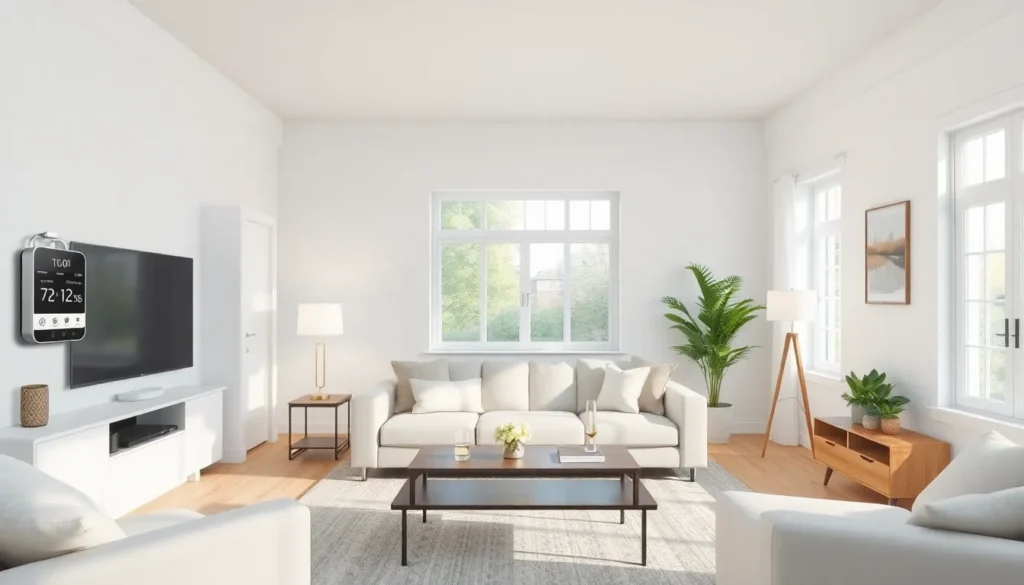
Zigbee home automation offers numerous advantages, making it an appealing choice for smart living. Key benefits include energy efficiency and enhanced security.
Energy Efficiency
Operating on low power, Zigbee technology significantly reduces energy consumption in smart homes. Battery-operated devices benefit greatly from this efficiency, extending their life. Furthermore, devices connected through Zigbee can work together to optimize energy use. For example, smart thermostats can adjust heating or cooling based on occupancy patterns. This contributes to lower utility bills while maintaining comfort levels. Additionally, the ability to control multiple devices remotely allows users to turn off lights or appliances when not in use. Overall, Zigbee enhances energy savings while minimizing environmental impact.
Enhanced Security
Zigbee’s security features play a crucial role in protecting user data and privacy. Built-in encryption safeguards communication between devices. Authentication protocols are also vital for verifying device identities, preventing unauthorized access. Security cameras and sensors connected through Zigbee can alert homeowners to potential threats in real time. Furthermore, centralized control through a smart hub simplifies monitoring and responding to security concerns. This integration provides peace of mind, knowing that a cohesive security system is always active. Zigbee’s commitment to security fosters trust in home automation systems, enhancing user confidence.
Key Components of Zigbee Home Automation
Zigbee home automation consists of several essential components that work together to create an efficient smart home environment.
Zigbee Hub
A Zigbee hub serves as the central control unit for a Zigbee network. This device connects to the internet and communicates with all Zigbee-compatible devices within the home. Homes benefit from having a Zigbee hub since it allows users to manage their devices through a single interface, often accessible via smartphones or tablets. Easy integration with various smart home ecosystems enhances its utility. Additional features like automation schedules and remote access further strengthen its role in home management.
Zigbee Devices
Zigbee devices encompass a wide range of smart products, creating a robust home automation landscape. Smart bulbs, sensors, plugs, and thermostats are among the devices that work seamlessly within this protocol. Each device communicates efficiently within the Zigbee mesh network, promoting reliability and extended coverage. Users can find that devices from different manufacturers are compatible, providing flexibility in choices. Many Zigbee devices function on battery power, maximizing energy efficiency and extending battery life. Overall, the diverse application of Zigbee devices makes them integral to enhancing home automation.
How to Set Up Zigbee Home Automation
Setting up Zigbee home automation requires careful planning and execution. Users should select compatible devices and follow a systematic installation process for optimal performance.
Choosing the Right Equipment
Select a Zigbee hub that supports multiple devices and offers easy management. Look for smart bulbs that are energy-efficient and suitable for various lighting needs. Sensors for motion and temperature enhance security and comfort, while smart plugs allow for remote control of appliances. Verify that all chosen devices are interoperable within the Zigbee ecosystem to ensure seamless communication. Consider brands with reliable customer support to assist users with any issues or questions.
Installation Process
Begin the installation by placing the Zigbee hub in a central location within the home to maximize coverage. Connect the hub to the internet through an Ethernet cable or Wi-Fi. Next, power on the Zigbee devices and follow the manufacturer’s instructions for connecting them to the hub. Utilize the accompanying app to configure device settings, create automation routines, and integrate with other smart home systems. Ensure the firmware for every device is up to date for optimal security and performance. Test each device after installation to confirm successful connectivity and functionality.
Zigbee home automation offers a transformative approach to modern living. By enabling seamless communication among devices it elevates convenience and control within the home. Users can enjoy energy savings and enhanced security while managing multiple devices through a single hub.
The flexibility and compatibility of Zigbee technology make it a strong choice for anyone looking to upgrade their living space. With careful planning and execution users can create a smart home environment that not only meets their needs but also adapts to future innovations. Embracing Zigbee can lead to a more efficient and secure home, paving the way for a smarter lifestyle.