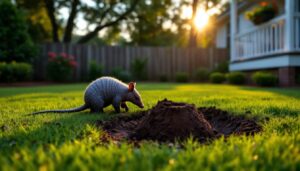
Garden pests don’t wait for the perfect moment to strike, they move in and establish themselves before most homeowners realize what’s happening. Rather than reaching for chemical pesticides that can harm soil, beneficial insects, and water sources, natural pest control offers proven alternatives that work just as effectively. This approach isn’t about hoping the problem goes away: it’s about building a garden ecosystem where pests never gain the upper hand. Whether you’re growing vegetables, ornamentals, or a mix of both, the methods in this guide have been tested by gardeners for years and deliver real results in 2026.
Table of Contents
ToggleKey Takeaways
- Natural pest control prevents infestations by building a garden ecosystem where beneficial insects like ladybugs and lacewings naturally regulate pest populations without harming soil or water sources.
- Homemade organic sprays such as neem oil and insecticidal soap are cost-effective solutions that give you complete control over ingredients while delivering results comparable to chemical pesticides.
- Attracting beneficial insects requires planting flowers that bloom at different seasons (sweet alyssum in spring, zinnias in summer, asters in fall) and leaving shelter like leaf litter around garden edges.
- Physical barriers like floating row covers and companion planting strategies—such as basil near tomatoes and nasturtiums as trap crops—prevent pests from reaching your vegetables without any spraying.
- A healthy garden ecosystem built on diverse crops, consistent deep watering, and quality soil amendments is the strongest defense against pest infestations and reduces the need for repeated interventions.
- Regular monitoring twice weekly allows you to catch pest problems early when natural solutions like a single neem oil application can resolve the issue quickly before it spreads.
Why Choose Natural Pest Control Over Chemical Alternatives
Chemical pesticides work fast, which is why they’ve been the default for decades. But fast isn’t always best. Each time you spray synthetic chemicals, you’re killing the good bugs alongside the bad ones, ladybugs, lacewings, and parasitic wasps that naturally regulate pest populations. You’re also accumulating residues in soil that affect beneficial microorganisms and earthworms. Natural pest control takes a different approach: it prevents infestations before they start and uses targeted solutions when problems do arise.
The financial case matters too. A bottle of neem oil or homemade soap spray costs a fraction of repeated synthetic applications. You’re not paying for a brand name or proprietary chemistry: you’re paying for raw materials. Long-term, a healthy garden supported by native beneficial insects requires fewer interventions overall. It’s like the difference between treating symptoms and addressing the root cause.
Beneficial Insects: Your Garden’s Best Defense Team
Beneficial insects are the unpaid workers of any healthy garden. Ladybugs eat aphids by the dozens, lacewing larvae consume mites and scale insects, and parasitic wasps lay eggs inside pest insects, eliminating them from the inside out. These predators and parasitoids don’t stop working after one season, they establish populations if you give them what they need: food (pollen and nectar), shelter, and water.
To attract and keep beneficial insects, plant flowers that bloom at different times of the year. Early bloomers like sweet alyssum, candytuft, and calendula show up when insects are emerging from dormancy. Summer bloomers like zinnias, cosmos, and sunflowers sustain populations through peak pest season. Late bloomers like asters and sedum keep beneficial insects fed into fall. Leave some leaf litter and plant debris around the garden edges, many beneficial insects overwinter in that material.
Attract Ladybugs and Lacewings for Aphid Control
Ladybugs and lacewings are the MVPs of aphid control. A single ladybug can consume up to 5,000 aphids in its lifetime, while lacewing larvae are equally voracious. Both are drawn to small-flowered plants in the daisy and carrot families: yarrow, fennel, dill, cilantro, parsley, and marigolds all work well. Plant these in clusters near vegetables prone to aphids (squash, beans, lettuce, and cabbage).
If your garden is new or aphid pressure is severe, you can purchase ladybug and lacewing larvae commercially and release them directly. This gives populations a head start. Release them in early morning or late evening when they’re less active, and water the garden first so they don’t dehydrate. Native ladybugs are better adapted to your local climate than imported varieties, ask your local extension office which species are native to your region.
Organic Sprays and Solutions You Can Make at Home
Homemade organic sprays handle infestations that beneficial insects alone can’t control fast enough. The advantage is complete control over ingredients, no mystery chemicals, no hidden surfactants that irritate skin. Most recipes use common kitchen supplies and cost pennies per batch.
Neem Oil and Soap Spray Recipes
Neem oil spray comes from the seeds of the neem tree and disrupts insect feeding and reproduction. Mix 1 tablespoon of neem oil with 1 tablespoon of mild dish soap (Dr. Bronner’s or similar unscented varieties work best) in 1 quart of warm water. Stir well, neem oil and water don’t naturally mix. Spray affected plants thoroughly, coating both upper and lower leaf surfaces, in early morning or late evening when beneficial insects are least active. Repeat every 7 days until the problem clears. Neem oil works best on soft-bodied insects like aphids, spider mites, and whiteflies.
Insecticidal soap spray is gentler than neem oil and works immediately on contact. Mix 2 tablespoons of pure castile soap (again, unscented) with 1 quart of water. Some gardeners add a few drops of vegetable oil to increase effectiveness. Spray until plants drip, hitting leaf undersides where pests hide. This works well on aphids, mealybugs, and scale crawlers (the young, mobile stage of scale insects).
Both sprays can cause leaf burn if applied in hot sun or on heat-stressed plants. Test on a small section first, and avoid spraying flowers if you have pollinators active. Wear gloves and safety glasses, even natural solutions can irritate eyes and skin with repeated exposure.
Physical Barriers and Companion Planting Strategies
Physical barriers prevent pests from reaching plants in the first place. Floating row covers, lightweight fabric that lets light and water through, protect young seedlings from beetles, cabbage moths, and squash bugs. Drape the covers directly over plants and secure the edges with soil or stakes so insects can’t crawl underneath. Remove covers once plants flower if you need pollinator access.
Netting protects fruit trees and berry bushes from birds. Use ¼-inch or smaller mesh so small insects can’t slip through. Install it before fruit ripens and check weekly for trapped beneficial insects.
Companion planting isn’t magic, but it works. Plant strong-smelling herbs near vegetables to confuse pest insects looking for food. Basil near tomatoes disrupts the scent-tracking of many tomato pests. Marigolds throughout the garden deter aphids and spider mites. Garlic and chives repel aphids and Japanese beetles. Nasturtiums act as trap crops, pests prefer them to nearby vegetables, concentrating the problem where you can hand-pick or spray. Plant nasturtiums at the garden perimeter, not mixed into vegetable beds.
Rotation matters too. If squash bugs demolished your zucchini last year, plant squash in a different bed this season. Pests overwinter in soil and plant debris: moving the target crop breaks their cycle.
Maintaining a Healthy Ecosystem to Prevent Pest Infestations
The strongest pest defense is a balanced garden ecosystem. Healthy soil produces vigorous plants that resist pests better than stressed ones. Start with a soil test to understand your starting point, then amend based on results. Compost, aged manure, and leaf mold improve soil structure and feed beneficial microorganisms that suppress disease and pest populations.
Water deeply and consistently. Inconsistent watering stresses plants, making them attractive to pests. Drip irrigation or soaker hoses deliver water directly to soil, keeping foliage dry and reducing fungal disease (which also weakens plants).
Diversity prevents monocultures that invite pest explosions. A garden with 10 vegetable types, multiple herbs, and flowering plants supports more beneficial insects and recovers faster from pest pressure than a plot of all tomatoes. If one crop gets hit hard, others thrive and provide habitat for predators.
Clean up responsibly. Remove dead plant material in fall, but don’t destroy all of it, leave some in place for beneficial insects to overwinter. Thin cages and stakes of debris where pests can hide, but leave leaf litter and mulch as insect habitat. The balance between sanitation and sanctuary matters.
Monitor regularly. Walk your garden twice a week looking for pest damage, beneficial insects, and the first signs of infestation. Early detection makes any pest problem manageable. If you catch spider mites when there are just a few hundred instead of thousands, a single neem oil application usually solves it. Wait until you see damage in multiple locations, and the job becomes much harder.
For structural pest threats to your home itself, termites, carpenter ants, or serious wood-destroying insect damage, professional intervention through Pest and Termite Control services may be necessary. Gardens, but, respond well to these natural methods when applied consistently. The timeline is measured in weeks, not seasons: results come faster than most gardeners expect once they commit to the approach.