Imagine walking into your home and saying goodbye to the days of fumbling for light switches in the dark. Home automation light switches are here to save the day, transforming the mundane task of flipping a switch into a high-tech experience that even your grandma would approve of. With just a simple voice command or a tap on your smartphone, you can light up your space like a pro—no more awkward dance moves in the dark!
Overview of Home Automation Light Switch
Home automation light switches provide convenience and efficiency for modern households. These devices allow users to control lighting remotely using smartphones or voice commands. Voice-activated options integrate seamlessly with smart home systems, offering hands-free operation that simplifies daily life.
Installation of a home automation light switch typically involves replacing traditional switches. Most models are compatible with existing wiring, ensuring a straightforward setup process. Integration with smart assistants like Amazon Alexa or Google Assistant often enhances functionality, enabling users to set schedules or adjust brightness levels.
Energy efficiency represents another significant advantage. Many home automation light switches include sensors that detect occupancy. This feature automatically turns off lights when rooms are unoccupied, leading to lower energy bills and reduced carbon footprints.
Variety in design accommodates different aesthetics. Homeowners can choose from various styles and finishes to match their decor. Smart switches offer custom settings, allowing personalization based on individual preferences.
Security also benefits from home automation light switches. Users can simulate presence by programming lights to turn on and off at specific times. This deterrent effect can enhance home security when residents are away.
Affordability varies among different brands and models. Budget-friendly options exist that still offer essential features. Higher-end switches may provide advanced functionalities, such as dimming capabilities and compatibility with smart home ecosystems.
Overall, home automation light switches significantly enhance the control and energy efficiency of residential lighting. Their integration into daily life promotes convenience, security, and personalization for users.
Benefits of Home Automation Light Switch
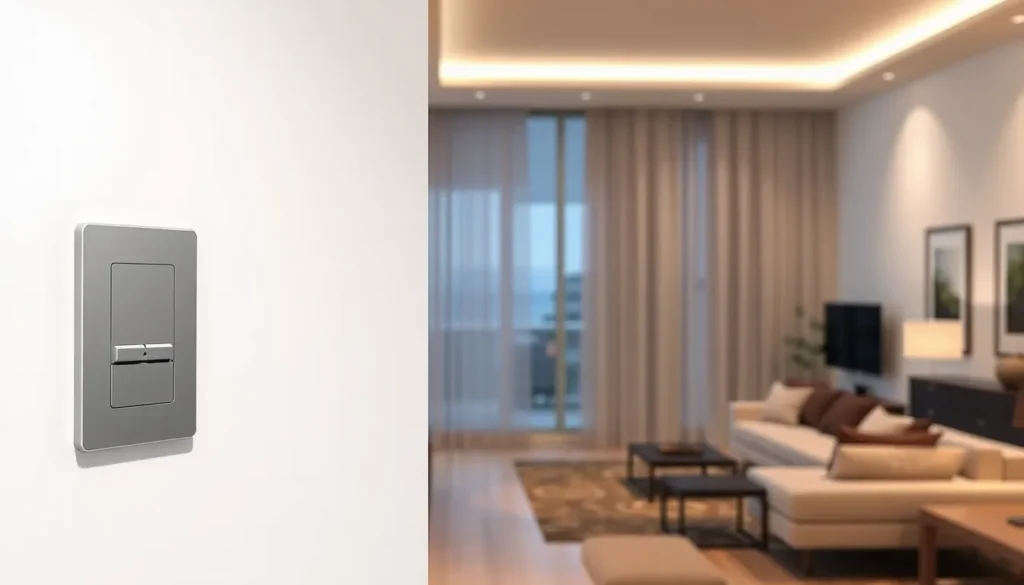
Home automation light switches offer significant advantages, enhancing energy savings and simplifying daily routines. These devices improve the overall home experience through various features.
Energy Efficiency
Energy efficiency plays a crucial role in home automation light switches. These switches often include occupancy sensors that automatically turn off lights in unoccupied rooms, making it easy to conserve energy. Some models can even monitor energy usage, providing insights on power consumption patterns. This capability helps homeowners make informed decisions about their lighting habits. Over time, using smart switches can lead to substantial savings on energy bills. According to the U.S. Department of Energy, automatic lighting controls can reduce energy waste significantly.
Convenience and Control
Convenience and control are key benefits of home automation light switches. Users can easily adjust lighting from a smartphone app or through voice commands, eliminating the need to fumble in the dark for a switch. Many systems allow for scheduled lighting, meaning lights can automatically turn on or off based on user preferences. Customizable settings let individuals tailor mood lighting for various occasions, making it simple to enhance the atmosphere. Integration with other smart home devices adds another layer of control, allowing lights to sync with security systems or smart speakers. Overall, this level of convenience transforms how individuals interact with their home lighting.
Types of Home Automation Light Switches
Home automation light switches come in various types, each designed for specific needs and preferences. Smart and wireless switches represent the most popular choices, enhancing user convenience and control.
Smart Switches
Smart switches connect to home Wi-Fi networks, enabling remote access via smartphone apps. Users benefit from the ability to control lights from anywhere, whether at home or away. Some models support voice commands through platforms like Amazon Alexa or Google Assistant, allowing for hands-free operation. Customizable settings include timers and schedules, making it easy to set lighting according to daily routines. Energy monitoring features empower users by tracking consumption, promoting awareness and efficiency. Compatibility with other smart home devices enhances the overall experience, maximizing integration benefits.
Wireless Switches
Wireless switches simplify installation, eliminating the need for wiring. These devices operate using battery power or energy harvesting, making them ideal for retrofitting homes. Installation often involves mounting the switch onto a wall or surface, ensuring users can place controls wherever convenient. Many wireless options work through RF or Bluetooth signals, maintaining reliable connections with home lighting systems. With the ability to control multiple lights or zones, users enjoy enhanced flexibility in managing lighting throughout their homes. Easy portability means homeowners can relocate switches as needed, adapting to any room layout.
Installation Process
Installing a home automation light switch involves a few essential steps to ensure proper functionality and safety. Follow the guidelines carefully for a successful setup.
Tools Required
Gathering the right tools is crucial before starting the installation. Basic tools include a screwdriver, wire stripper, voltage tester, and electrical tape. A smartphone is helpful for configuring the switch with a smart home app. Additionally, having a level can assist in ensuring the switch is aligned correctly.
Step-by-Step Guide
To begin, turn off the power at the circuit breaker to prevent electrical shock. Remove the existing light switch by unscrewing it from the wall and disconnecting the wires. Connect the wires to the corresponding terminals on the new smart switch, following the manufacturer’s instructions. Secure the switch back into the wall box and attach the faceplate. Finally, restore power at the circuit breaker and configure the switch using the smartphone app to connect it to the home automation system.
Integrating with Smart Home Systems
Integrating home automation light switches with smart home systems enhances convenience and efficiency. These switches simplify lighting control through various devices and platforms.
Compatibility with Voice Assistants
Voice assistants like Amazon Alexa and Google Assistant provide seamless control over smart switches. Users can turn lights on, off, or adjust brightness using simple voice commands. Smart switches often support multiple protocols, ensuring compatibility with several voice platforms. For example, users may issue commands such as “turn off the living room lights,” making everyday interactions quick and effortless. This feature promotes accessibility for individuals of all ages. As a result, managing home lighting becomes intuitive and hands-free.
Networking and Connectivity
Home automation light switches connect to Wi-Fi networks, enabling remote access and control. These switches typically work with existing home networks, facilitating integration without complex setups. Users can manage lighting via smartphone apps from anywhere, enhancing flexibility. Additionally, reliable connectivity ensures that lights respond promptly to commands. Some models include energy monitoring features, allowing users to track energy usage directly through their apps. Smart switches often support communication with other smart devices, creating a cohesive home automation ecosystem. Integration leads to a more efficient and interconnected living environment.
Home automation light switches revolutionize the way people manage lighting in their homes. With user-friendly features and seamless integration into smart home systems they offer both convenience and efficiency. Homeowners can enjoy personalized settings and enhanced security while also contributing to energy savings.
The straightforward installation process makes these devices accessible to everyone. As technology continues to evolve the benefits of smart lighting will only grow. Embracing home automation light switches not only enhances daily living but also paves the way for a more connected and sustainable future.