Imagine waking up in the morning, and with a simple voice command, your coffee brews, the lights gradually brighten, and your favorite playlist starts playing. Sounds like a scene from a sci-fi movie, right? Welcome to the world of home automation kits, where turning your home into a smart haven is just a few clicks away.
What Is a Home Automation Kit?
A home automation kit consists of various devices that enable the control and automation of household functions. These devices can include smart lights, thermostats, locks, and sensors, allowing for seamless management of home environments. Users connect these components to a central hub, which acts as the command center for the entire system.
Smart lighting allows individuals to adjust brightness and color with voice commands or smartphone apps. Thermostat integration enables automated temperature control based on preferences or schedules, resulting in energy savings. Security features such as smart locks or cameras enhance home safety, offering remote access and monitoring.
Most home automation kits provide compatibility with virtual assistants like Amazon Alexa, Google Assistant, or Apple HomeKit. This compatibility simplifies interactions, allowing users to control multiple devices through voice commands. Installation typically requires minimal technical skills, making it accessible for most homeowners.
Customization options are abundant within these kits. Users can often program routines or scenes tailored to specific activities. For instance, a “movie night” scene might dim the lights and adjust the thermostat for comfort.
Monitoring capabilities through apps deliver real-time data about home conditions. Homeowners receive alerts for any unusual activity or environmental changes, promoting proactive management. Additionally, many systems offer integration with other smart appliances, enhancing overall home connectivity.
Overall, home automation kits provide convenience, security, and energy efficiency, transforming how individuals interact with their living spaces.
Benefits of Using a Home Automation Kit
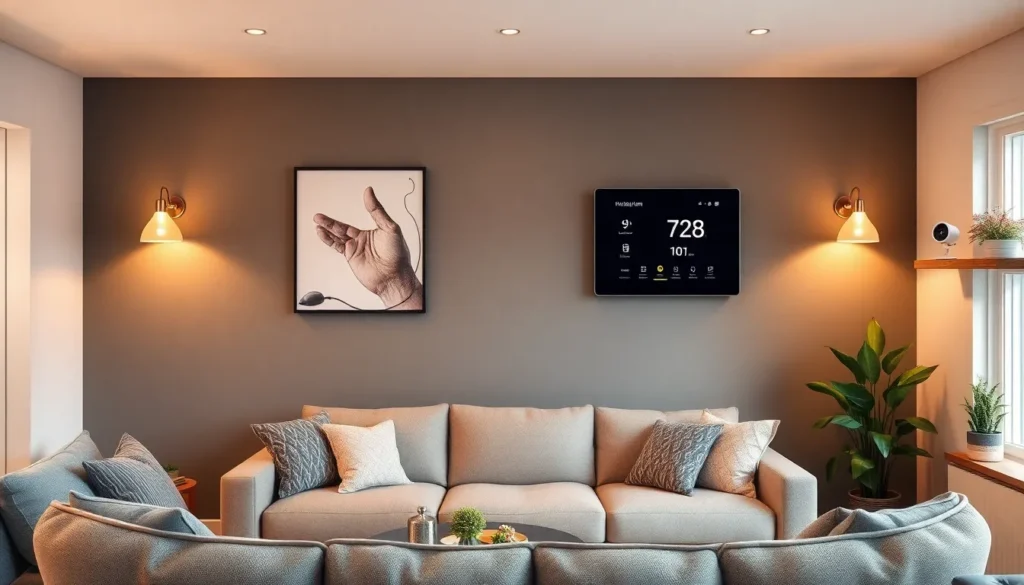
Home automation kits offer various advantages, enhancing everyday life in significant ways.
Enhanced Security
Enhanced security is a primary benefit of home automation kits. Smart locks provide remote entry options, allowing users to grant access from anywhere. Surveillance cameras integrated into the system enable real-time monitoring and notifications for unusual activity. Alerts sent through mobile apps enhance response times during emergencies. Additionally, motion sensors can detect intrusions, triggering alarms or notifications. Homeowners can program automated lighting to simulate occupancy, deterring potential break-ins. Integrating various security features into a single system simplifies management and improves overall safety.
Energy Efficiency
Energy efficiency stands out as another key advantage. Smart thermostats optimize heating and cooling based on user habits and preferences, significantly reducing energy consumption. Automated lighting adjusts based on occupancy, ensuring lights aren’t left on unnecessarily. Users can set schedules for appliances, which helps lower energy bills during peak hours. Home automation kits also provide insight through energy monitoring, allowing for informed decisions on consumption. By utilizing these technologies, households can decrease their environmental footprint while enjoying cost savings. Overall, smart automation contributes to sustainable living without sacrificing comfort.
Key Components of a Home Automation Kit
Home automation kits consist of essential components that work together to create a smart living environment. Each part plays a vital role in enhancing convenience, security, and energy efficiency within households.
Smart Hubs
Smart hubs serve as the central command for a home automation kit. These devices connect various smart components to create a cohesive ecosystem. Many smart hubs support multiple protocols, allowing integration with diverse devices. Users can control everything from lights to locks through one interface, simplifying management. Popular options include Samsung SmartThings and Wink Hub, which facilitate seamless communication among devices. Compatibility with voice assistants enhances ease of use.
Sensors and Cameras
Sensors and cameras form a critical layer of security in home automation systems. Motion detectors alert homeowners to unusual activity, while door/window sensors notify them when entrances open unexpectedly. Cameras, often featuring night vision and two-way audio, allow real-time viewing and communication. Many systems offer cloud storage for recorded footage, ensuring that homeowners can review past events. Integration with mobile apps enables remote monitoring from anywhere, providing peace of mind regarding home safety.
Smart Lights and Thermostats
Smart lights and thermostats significantly improve energy management and convenience. Users can adjust brightness and color options using voice commands or mobile apps, tailoring settings to their preferences. With smart thermostats, homeowners gain the ability to program schedules or adjust temperatures remotely. These devices learn user habits over time, optimizing heating and cooling for maximum energy savings. By reducing energy consumption, both smart lights and thermostats contribute to lower utility bills while providing a comfortable living environment.
How to Choose the Right Home Automation Kit
Selecting the ideal home automation kit involves understanding your needs and preferences. Several factors influence the decision, including compatibility and features.
Compatibility with Existing Devices
Compatibility plays a crucial role in choosing a home automation kit. Assess the devices currently in use, such as smart speakers, lights, or locks. Ensure the new kit seamlessly integrates with them to create a cohesive system. Popular options often support multiple platforms like Amazon Alexa and Google Assistant. Connected devices allow for voice commands and automation, enhancing convenience. Checking device specifications helps confirm compatibility, so investment in a reliable system pays off.
Features to Consider
Consider essential features that match lifestyle needs. Look for automation skills like scheduling, remote access, and scene creation. User-friendly apps streamline management from smartphones. Include features for energy monitoring, allowing proactive adjustments to reduce bills. Security enhancements, such as cameras and motion sensors, provide peace of mind. Multi-user support enables all family members to control the system. Prioritizing features based on individual or family needs ensures a tailored experience.
Home automation kits represent a significant leap toward smarter living. By integrating various devices into a cohesive system, they empower users to control their home environment effortlessly. Enhanced security and energy efficiency are just the beginning.
With options for customization and compatibility with popular virtual assistants, these kits cater to diverse needs. As technology continues to evolve, the potential for home automation to streamline daily tasks and improve safety will only grow. Embracing this innovation can lead to a more convenient and secure lifestyle, making homes not just smarter but also more responsive to individual preferences.