Imagine walking into your home and having the lights turn on automatically, the thermostat adjust to your preferred temperature, and your favorite playlist start playing—all without lifting a finger. Welcome to the world of home automation, where convenience meets innovation in a way that makes life feel like a sci-fi movie.
Overview Of Home Automation Business
Home automation business focuses on integrating technology into residential environments. These systems allow users to control various aspects of their homes, including lighting, security, and climate, through centralized platforms. The market has seen substantial growth in recent years, fueled by advancements in smart technologies and increasing consumer demand for convenience.
Devices used in home automation range from smart speakers to security cameras. Smart thermostats enable energy savings and provide temperature control from remote locations. Security systems offer real-time monitoring and notification features, enhancing home safety.
Among the key players in the industry, companies like Amazon and Google lead with their smart speaker technology. Startups also thrive by offering niche products tailored to specific needs, such as home health monitoring or garden irrigation solutions.
Integration plays a crucial role in user experience. Compatibility between different devices ensures seamless communication and functionality, making the setup process smoother for homeowners. Systems that utilize open-source standards appeal to tech-savvy customers, fostering innovation and customization.
The financial outlook appears favorable for the home automation sector. Analysts project continued growth in revenue, attributing it to increasing consumer awareness and the declining cost of smart devices. Service providers also benefit from installation and maintenance opportunities, offering packages tailored to customer preferences.
Adoption rates vary by region, reflecting differing consumer priorities and technological readiness. Urban areas typically exhibit higher engagement with smart home solutions due to infrastructure and lifestyle factors. In summary, the home automation business represents a dynamic field poised for further expansion.
Benefits Of Home Automation
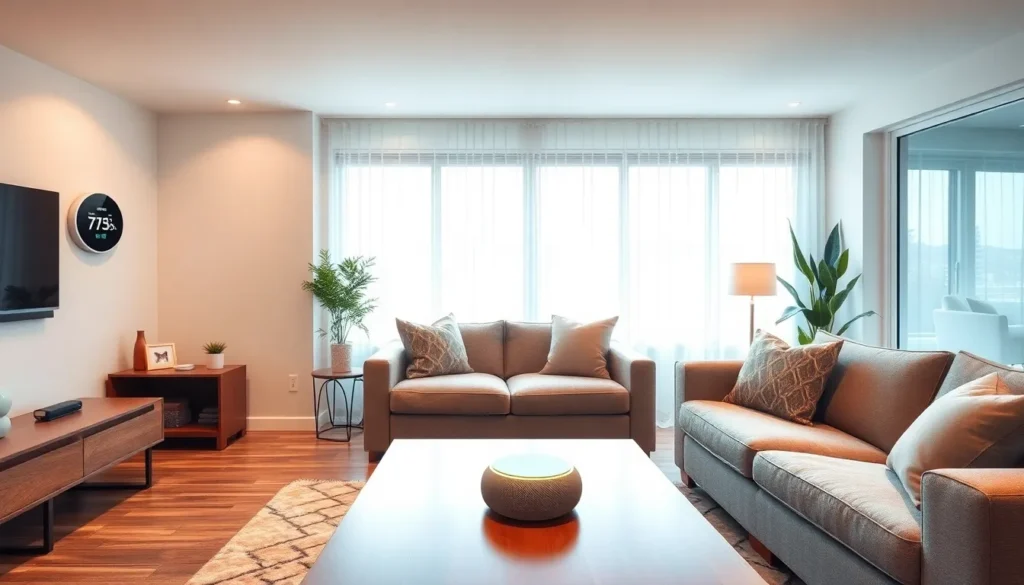
Home automation enhances daily life through technology that simplifies tasks and improves functionality. The convenience and efficiency offered by these systems appeal to modern homeowners.
Convenience And Efficiency
Smart home devices streamline everyday activities. Users can control lighting, temperature, and security seamlessly through centralized apps or voice commands. Automated routines allow homeowners to program their environments for specific times. For instance, lights may turn on as someone arrives home, or the thermostat adjusts just before waking. Enhanced security features send alerts for unusual activity, increasing safety. Overall, efficiency improves life quality, making homes more user-friendly.
Energy Savings
Significant energy savings occur with smart home automation. Smart thermostats learn user patterns and adjust temperatures accordingly, reducing unnecessary energy expenditure. According to the U.S. Department of Energy, homeowners can save up to 10% on heating and cooling costs with programmable thermostats. Smart lighting systems utilize LED bulbs and offer scheduling to prevent wasting electricity. Automatically turning off devices when not in use also contributes to lower energy bills. In essence, home automation not only promotes sustainability but also creates cost-effective living spaces.
Key Components Of Home Automation Systems
Home automation systems consist of several key components that work together to create a seamless experience. Understanding these components enhances the effectiveness of smart homes.
Smart Devices
Smart devices form the backbone of home automation systems. They include smart lighting, smart thermostats, security cameras, and smart speakers. Users rely on these devices for convenience and energy efficiency. Smart lighting allows remote control and scheduling, while smart thermostats adjust temperatures based on user preferences. Cameras provide real-time surveillance, enhancing security. These devices integrate with existing home setups and often communicate with each other, allowing for a synchronized smart home experience.
Central Control Systems
Central control systems act as the brain of home automation, enabling users to manage their smart devices from one platform. They simplify interactions by allowing control through mobile apps or voice-activated assistants. Popular platforms include Google Home and Amazon Alexa, both of which offer user-friendly interfaces. These systems enhance compatibility among disparate devices, allowing for seamless integration. Users can create customized routines, such as setting lighting for movie nights or adjusting the thermostat before arriving home. Central control systems streamline the management of home automation functionalities, making daily life easier.
Starting A Home Automation Business
Creating a home automation business requires careful planning and insight into market dynamics. Understanding the landscape helps entrepreneurs identify opportunities and potential challenges.
Market Research And Planning
Conducting thorough market research reveals consumer preferences and emerging trends within the home automation sector. Identifying target demographics allows businesses to tailor offerings and marketing strategies effectively. Analyzing competitors provides insights into successful models and unique selling propositions. Utilizing surveys and focus groups gathers valuable feedback from potential customers. Incorporating data from established industry reports further informs decisions. This process ensures a well-thought-out business plan that aligns with market demands and maximizes growth potential.
Legal Requirements And Licensing
Navigating legal requirements is crucial for establishing a home automation business. Business owners must register their companies according to local laws, which often involves obtaining licenses and permits. Understanding zoning laws and regulations specific to technology installations protects businesses from legal complications. Employees may require background checks, especially when handling security systems. Compliance with industry standards, such as those from the National Electrical Code, ensures the safe installation of smart devices. Consulting legal experts provides clarity on obligations and helps avoid potential pitfalls associated with operating in this sector.
Marketing Strategies For Home Automation
Utilizing effective marketing strategies is essential for a successful home automation business. Engaging potential customers through online content significantly enhances visibility. Creating informative blogs or video tutorials that showcase the benefits of smart home technology draws interest.
Implementing targeted social media campaigns reaches specific demographics, promoting product features that resonate with audiences. Email newsletters can provide updates on new products or special offers, fostering a strong customer relationship.
Participating in local trade shows and home improvement expos allows for hands-on demonstrations. Demonstrations often attract curious attendees, giving them insight into how home automation improves their lives.
Offering promotions or discounts incentivizes new customers to try products. Bundling devices together as package deals improves value perception and encourages larger purchases.
Establishing partnerships with local contractors or real estate agents broadens market reach. These collaborations can lead to endorsements and facilitate trust among potential buyers.
Investing in search engine optimization (SEO) ensures that business websites rank higher in search results. Keyword-rich content increases organic traffic, drawing in users searching for home automation solutions.
Providing excellent customer service enhances word-of-mouth referrals. Satisfied customers often share their positive experiences, creating brand loyalty and attracting new clients.
Incorporating customer feedback into product development helps businesses remain relevant. Adapting to market needs ensures offerings align with consumer expectations, driving sustained growth in the competitive landscape.
The home automation business is rapidly evolving and offers immense opportunities for entrepreneurs. With technology becoming increasingly integral to daily life, there’s a growing demand for smart solutions that enhance convenience and efficiency. By understanding market dynamics and consumer preferences, new businesses can carve out a niche in this competitive landscape.
Effective marketing strategies and strong customer relationships are essential for success. As the industry continues to expand, those who prioritize innovation and customer satisfaction will thrive. Embracing the future of home automation not only benefits businesses but also enriches the lives of homeowners seeking smarter living environments.